Homes In Railway Buildings: Difference between revisions
| Line 12: | Line 12: | ||
File:CoalportStation-SevernValley.jpeg|Coalport Station on the Severn Valley Line in Shropshire which opened in 1863 and closed a century later. The line and station, now a home, were built to serve the famous Coalport China Works of John Rose & Co | File:CoalportStation-SevernValley.jpeg|Coalport Station on the Severn Valley Line in Shropshire which opened in 1863 and closed a century later. The line and station, now a home, were built to serve the famous Coalport China Works of John Rose & Co | ||
File:CoedyBleiddiau-Snowdonia.jpeg|‘Coed y Bleiddiau’, a railwayman’s cottage on the Ffestiniog Railway, on the slopes of Snowdonia . Beautifully restored by the Landmark Trust, the name means 'Wood of the Wolves', in Welsh. | |||
</gallery> | </gallery> | ||
Revision as of 20:19, 5 May 2020
Click here to return to Industrial & Other Urban Buildings or back to top level Chimni Home Typology
Notable Examples
-

Cromford Station, Derbyshire. Built in 1860 as part of the now defunct Manchester, Buxton, Matlock & Midlands Junction Railway. Now a holiday home.
-
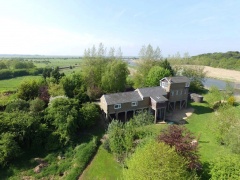
The Old Station House, Haddiscoe, Norfolk.
-

Dent Station at Cowgill, Sedbergh built in 1877. England's highest mainline railway station and situated on the legendary Settle to Carlisle railway line.
-
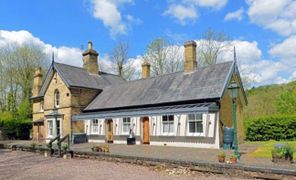
Coalport Station on the Severn Valley Line in Shropshire which opened in 1863 and closed a century later. The line and station, now a home, were built to serve the famous Coalport China Works of John Rose & Co
-

‘Coed y Bleiddiau’, a railwayman’s cottage on the Ffestiniog Railway, on the slopes of Snowdonia . Beautifully restored by the Landmark Trust, the name means 'Wood of the Wolves', in Welsh.


Railways Homes In Art And The Media
-
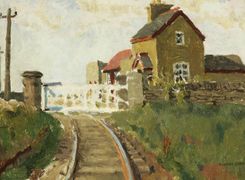
’The Little Railway Station, Alethea Garstin (1894–1978)
-

‘Stationmaster’s House, Rowfant’, Michael Gage


http://www.railwaystationcottages.co.uk/
http://www.disused-stations.org.uk/n/north_cave/
http://www.telegraph.co.uk/finance/property/9587572/Top-ten-converted-railway-buildings.html