Homes Used In David Copperfield

this post specifically looks at Armando Iannucci's masterley retelling of the story of David Copperfield in his 2020 release 'The Personal History of David Copperfield'.
Location Choices
With one exception, the location designers of this version of David Copperfield used real exteriors from some unique locations around the UK. The interior shots were a collection of real interiors in the chosen houses and sets. The film was shot on location in Bury St Edmunds which supplied a town centre as well as specific buildings, Kings Lynn which again provide townscapes and buildings; the Inner Temple in London and the beach at Weybourne. A large part of the film was shot in the centre of the old town of Hull still broadly follows the medieval layout and has cobbled streets, warehouses and merchant houses. like the 18th Century Maister House, which features in the film. “Hull is an astonishing gem of an old city and filming David Copperfield there was an absolute pleasure… [with a] network of numerous historic cobbled streets which allowed us to recreate 19th century Dickensian London.” Harriet Lawrence, Supervising Location Manager
Homes Used In The Film
-

Berry Hall, Great Walsingham, Norfolk. A flint and brick Tudor era house, built in 1532 by Thomas Bury. Used to represent David’s boyhood home ‘The Rookery’.
-
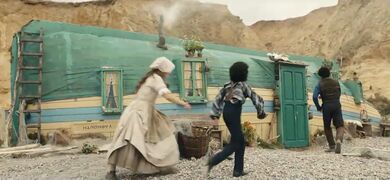
Peggotty’s House in the Upturned boat, on the beach at Great Yarmouth. In the film this was a set built on Weybourne beach, Norfolk.
-

Dorney Court, Nr. Windsor, Berks was used as the location for Mr Wickfield’s school where David meets Steerforth.
-
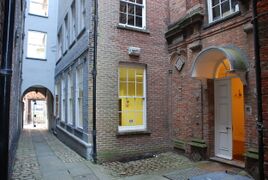
Mr Micawber’s House where David lodges when sent it work in the factory. Filmed in a historic merchants warehouse on the banks of the River Hull. The alleyway links the river staithes with the main building on High Street.
-
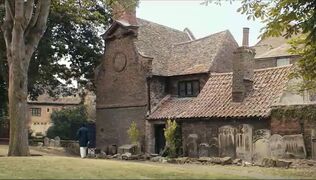
The building used to represent Uriah Heep’s House is ‘The Exorcist’s House’ on Chapel Lane, King’s Lynn, as seen from the churchyard of St Nicholas’ Chapel.
-

The office of ‘Spenlow’s & Jorkins’ where David trains as a ‘proctor’ is, in reality, the ‘Alienation Office‘ on King’s Bench Walk within the Inner Temple, central London. Built in 1668 to replace building burnt down in 1667 and now barristers chambers.
-
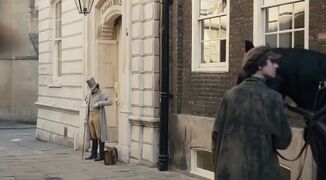
David’s expensive lodging house, while training to be a proctor, is another Inner Temple property, Farrar’s Building. It is located next to the Templar Church and named after Thomas Farrar, Treasurer of this set of chambers in 1679.
-
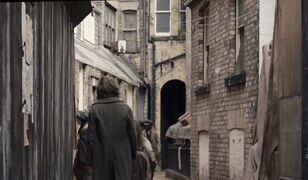
David’s lodgings after his aunt loses his fortune, was shot from outside in the back lanes of old town Hull.


Other Buildings & Locations Used In The Film
-

St Margaret, an 11th century, Norman church in Hale, Suffolk, with rare round tower. It appears in an early scene of David’s childhood.
-
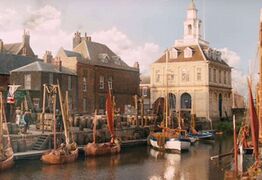
The historic harbour side of Kings Lynn is used to represent Victorian era Yarmouth, where young David lives and works, and where he returns later in the film.
-

The Cobbled streets of the old centre of Hull was used to represent Victorian London.
-
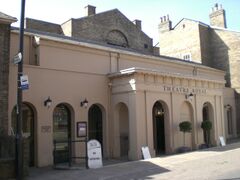
The Theatre Royal, Bury St Edmunds where Dev Patel’s David opens and closes the film. Built in 1819 by architect William WilkinsM it is the last remaining Regency playhouse in the country.


Other Buildings Used In David Copperfield'
See Also In Chimni
ChimniWiki Homes Used As TV & Movie Locations
ChimniWiki Homes On C4’s Grand Designs
Other Interesting Sites
Screen Yorkshire - filming location
References
<references />